
Blanover Notebook
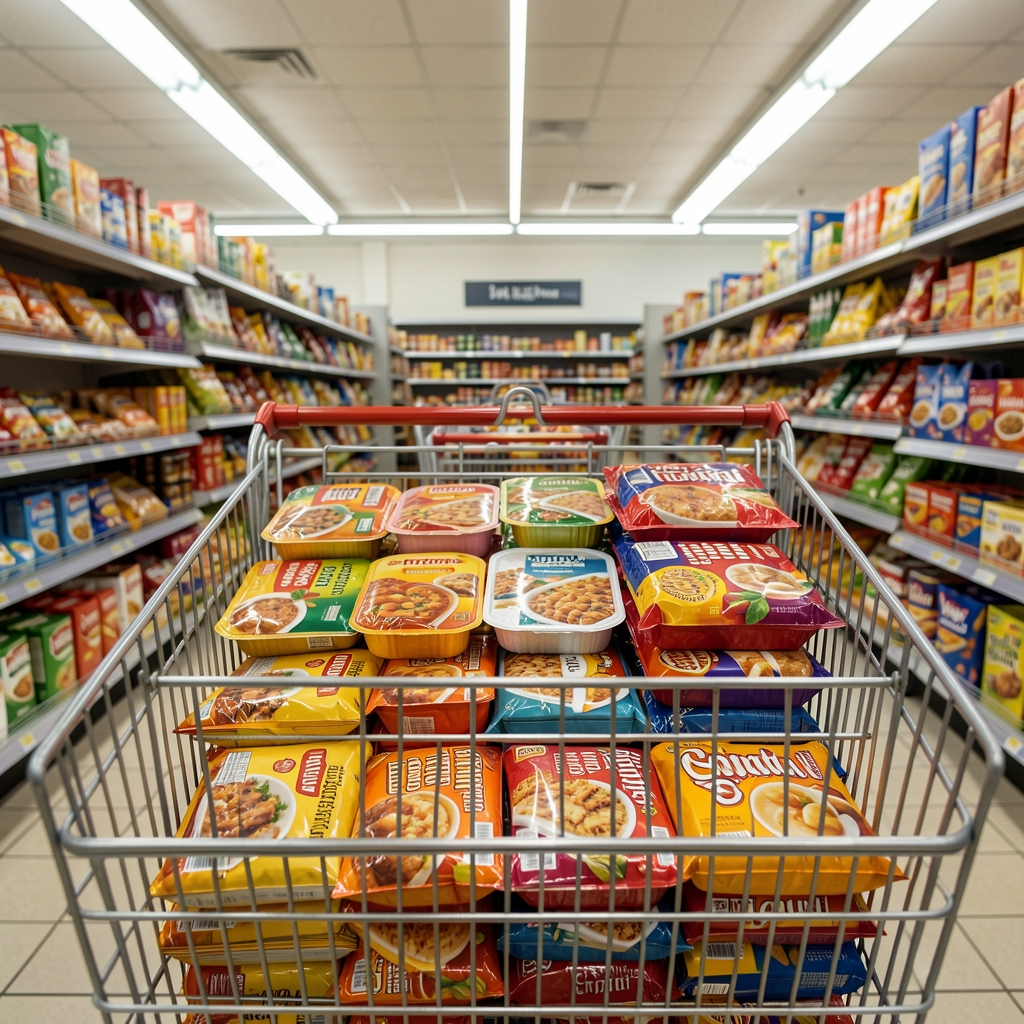
Close-up of a supermarket trolley loaded with packaged ready meals and processed snack foods in a UK grocery store, fluorescent overhead lighting
London, 2026 — Field Archive
Vol. I — No. 1
Eating Patterns

Charting the Patterns of Everyday Eating

An independent archive on how processed food reliance, irregular meals, and convenience eating quietly reshape weight over time.

Browse the Archive
Blanover Notebook — Archived 2026
Processed Food Reliance Irregular Eating Patterns Portion Distortion Liquid Calories Awareness Late-Night Eating Habits Hidden Sugars in Everyday Food Mindless Snacking Ready Meal Reliance Gradual Dietary Improvement Processed Food Reliance Irregular Eating Patterns Portion Distortion Liquid Calories Awareness Late-Night Eating Habits Hidden Sugars in Everyday Food Mindless Snacking Ready Meal Reliance Gradual Dietary Improvement
01

The Archive

02

Key statistics on eating habits in England

57%
of daily calories from
ultra-processed foods
1 in 3
adults regularly skip
breakfast or lunch
2.3×
larger restaurant portions
vs. home-cooked equivalents
34%
of evening calorie intake
attributed to mindless snacking
Archive
03

What This Notebook Documents

Blanover Notebook is an independent editorial publication based in London. It exists to document the relationship between everyday food choices and weight balance — not as a collection of guidance or instructions, but as an ongoing observation of the patterns that define how most people in England actually eat.

Each issue takes one category of eating habit — processed food reliance, irregular meal timing, portion drift, late-night snacking, liquid calories — and examines it through field observation, published research, and reader correspondence. The editorial standpoint is neutral: habits are neither condemned nor celebrated. They are recorded.

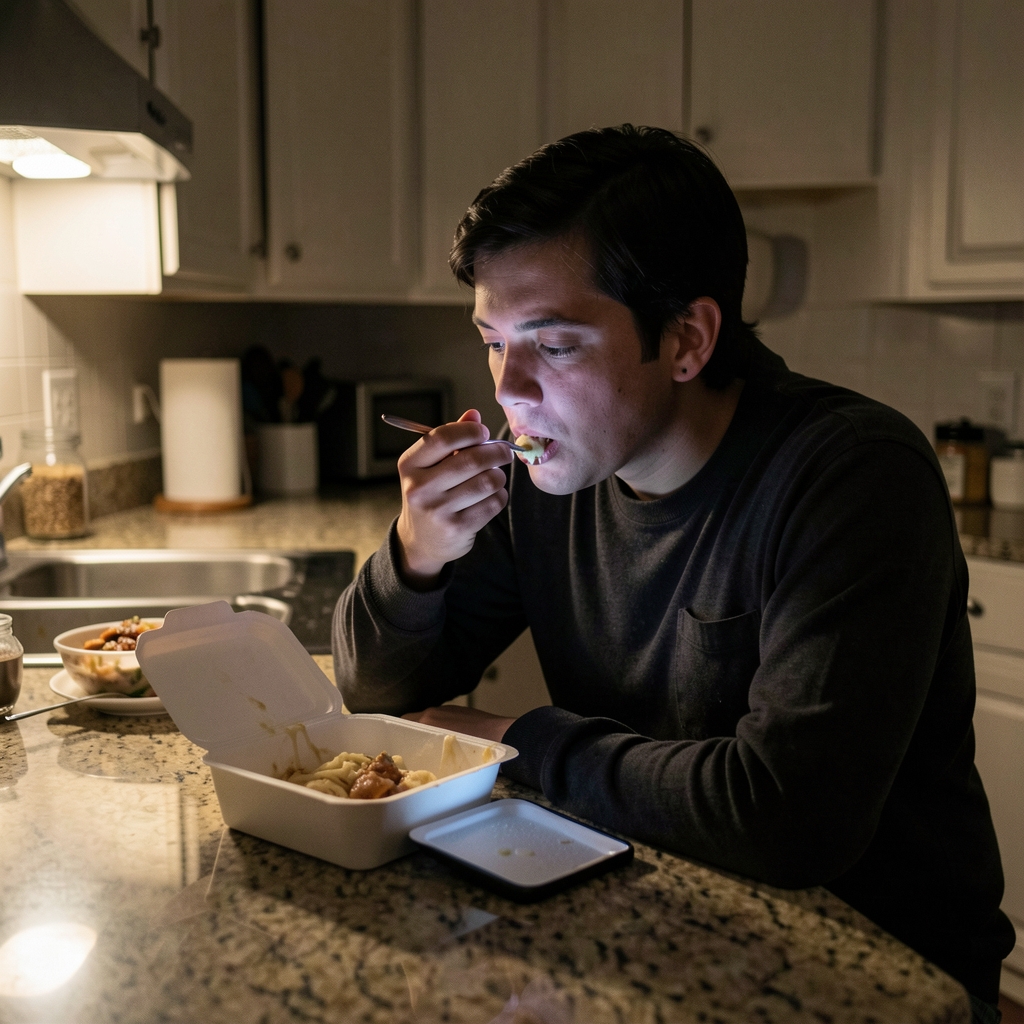
Person eating alone at a kitchen counter at night, phone screen illuminating their face, takeaway container open in front of them, documentary-style available light
London, 2026 — late-evening eating observation
04

"The distance between recognising a pattern and changing it is rarely about information. It is about the structure of the week."

Harriet Marsden

Issue 01, January 2026

Read Issue 01
05

Documented Patterns

Fast Food Frequency

How often eating away from home accumulates

A single restaurant portion carries, on average, more than twice the calorie density of an equivalent home-cooked meal. When eating out becomes a three-or-more times weekly habit, the weekly calorie count rises without any perceptible increase in eating volume or frequency.

Hidden Sugars

Where sugar appears in savoury convenience foods

Pasta sauces, bread, flavoured yoghurts, soup — the majority of shoppers identify these as neutral-to-healthy items. Independent nutritional audits of a standard UK weekly shop routinely find added sugars in over sixty per cent of packaged items, including those not marketed as sweet.

Eating Speed

The delay between consumption and fullness signals

Satiety signals reach conscious perception roughly fifteen to twenty minutes after the stomach begins filling. Eating at a rapid pace — as is common with lunch breaks of thirty minutes or fewer — means the end of a meal arrives before fullness has registered, leading to consistent overconsumption.

Weekend Indulgence Patterns

How the five-day deficit is undone across two days

Research tracking weekly calorie balance consistently shows that modest restraint across the working week is frequently offset by Friday-to-Sunday patterns: larger restaurant portions, alcohol, snacking while relaxing, and a general loosening of structured meal timing. The net weekly balance often lands higher than if no conscious restraint had been applied during the week.

Refined Carbohydrates

Why white-starch staples contribute to ongoing hunger

Refined carbohydrates — white rice, white bread, standard pasta — are rapidly digested and produce short-lived energy availability. The resulting return of hunger within two to three hours of a meal encourages supplementary snacking that often goes unaccounted in a person's self-reported daily intake. The gap between perceived and actual calorie intake is widest in populations that rely most heavily on white-starch staples.

06

Correspondence & Contact

Reader correspondence, corrections, and subject proposals are welcomed at the editorial address in London. The notebook's editorial process is documented in full on the Methodology page.

44 Rodney Street, London London EC1R 4QL, United Kingdom
Open the Contact Page